
Residential Care
A safe place to begin
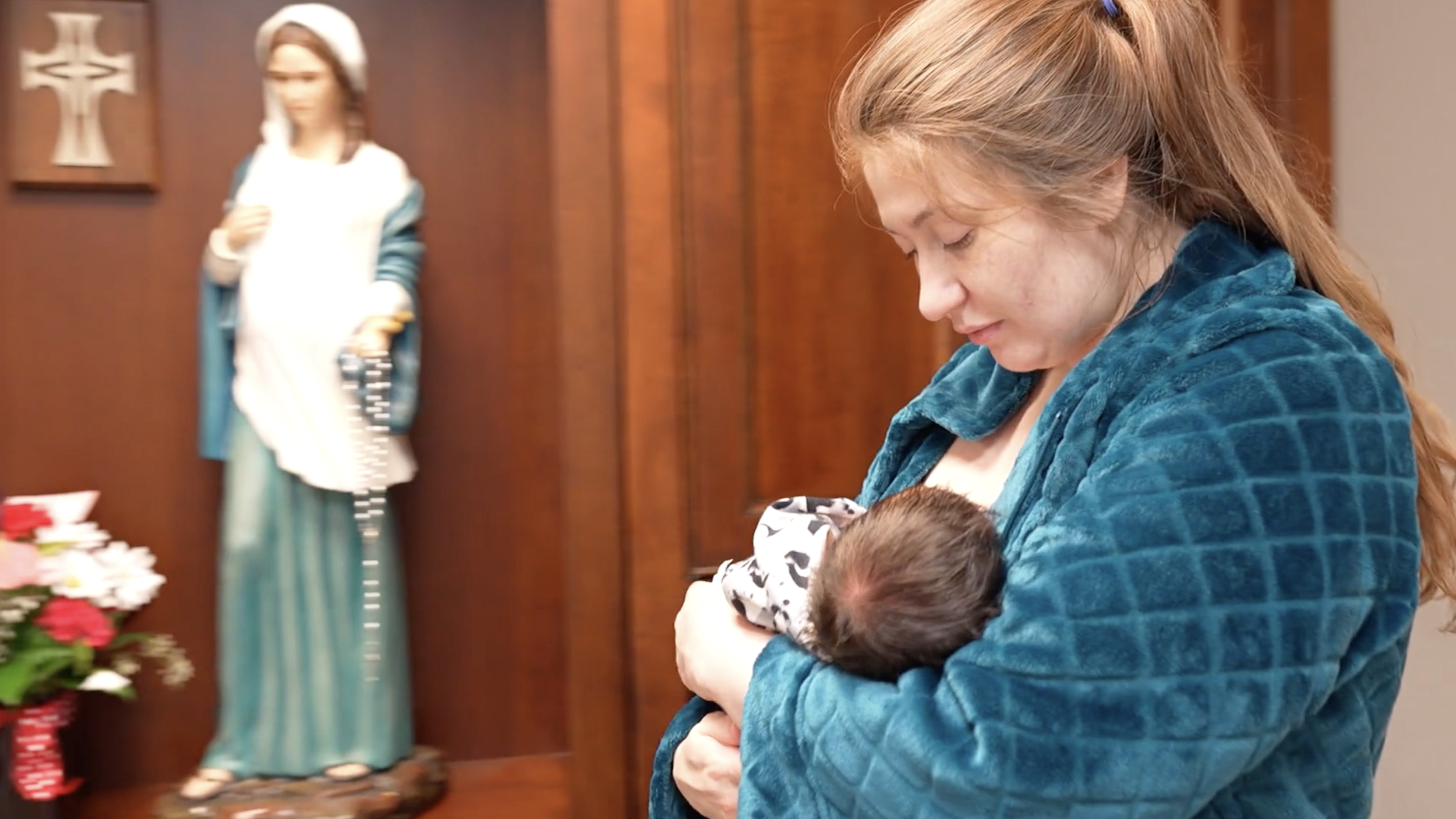
Bethlehem House provides safe, trauma-informed residential care for pregnant women facing homelessness, housing instability, domestic violence, mental health concerns, substance use concerns, or other barriers to safety and well-being.
Every resident receives an individualized care plan built around her own strengths, goals, and needs. Our focus isn't temporary housing — it's helping each woman heal, prepare for motherhood, build stability, and move toward long-term independence.
Residential Care is the first chapter in a woman's journey with Bethlehem House — where she finds stability, support, and the space to prepare for motherhood.
Program Eligibility
Applicants should:
Be pregnant
Be at least 19 years old
Not have children currently in their care upon admission
Be appropriate for community living
Be willing to participate in case management and supportive services
What support looks like
Safe & supportive living
Residential maternity housing, daily structure and accountability, transportation coordination.
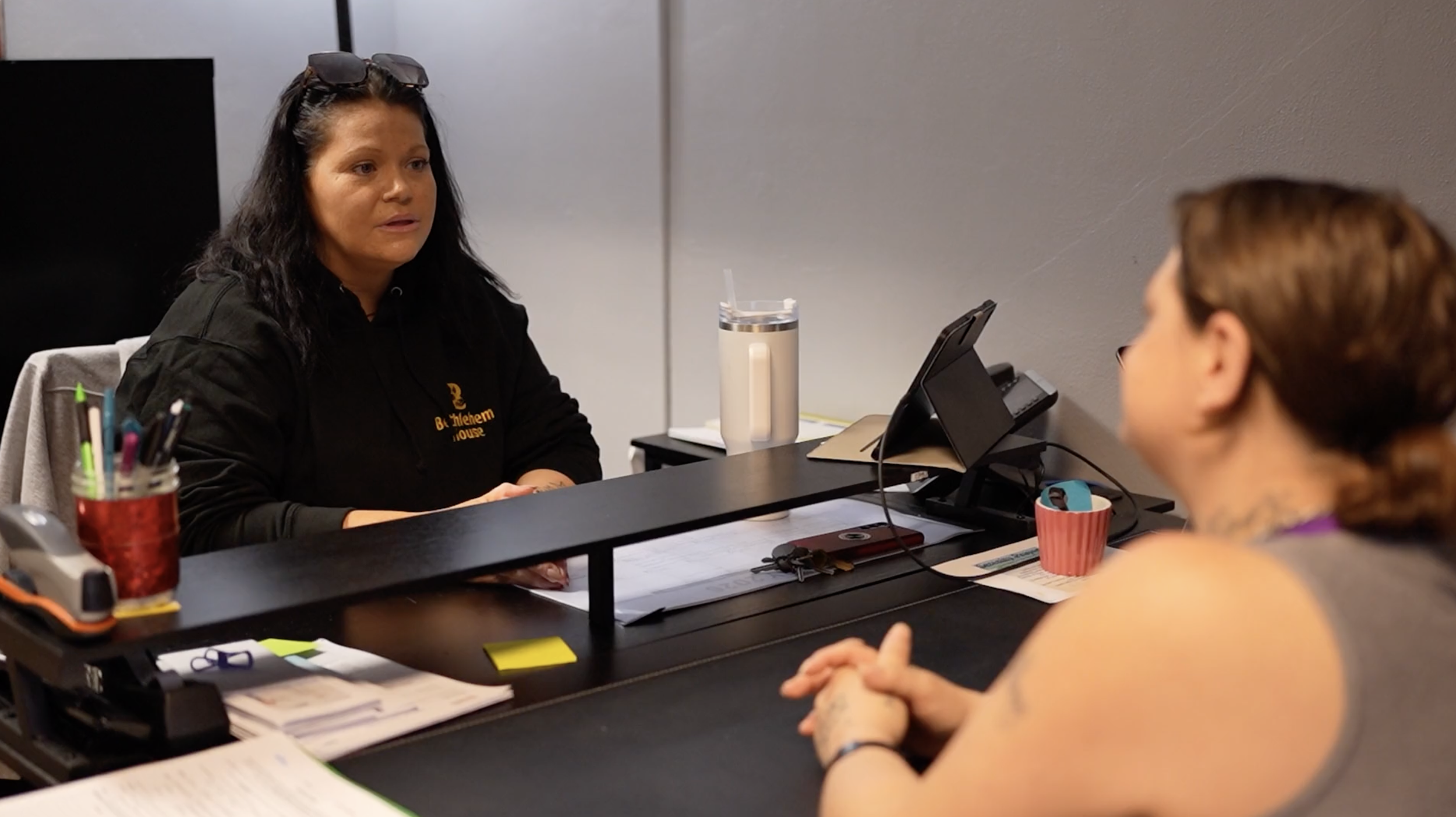
Case management, goal planning, housing transition planning, community resource navigation.
Individualized support
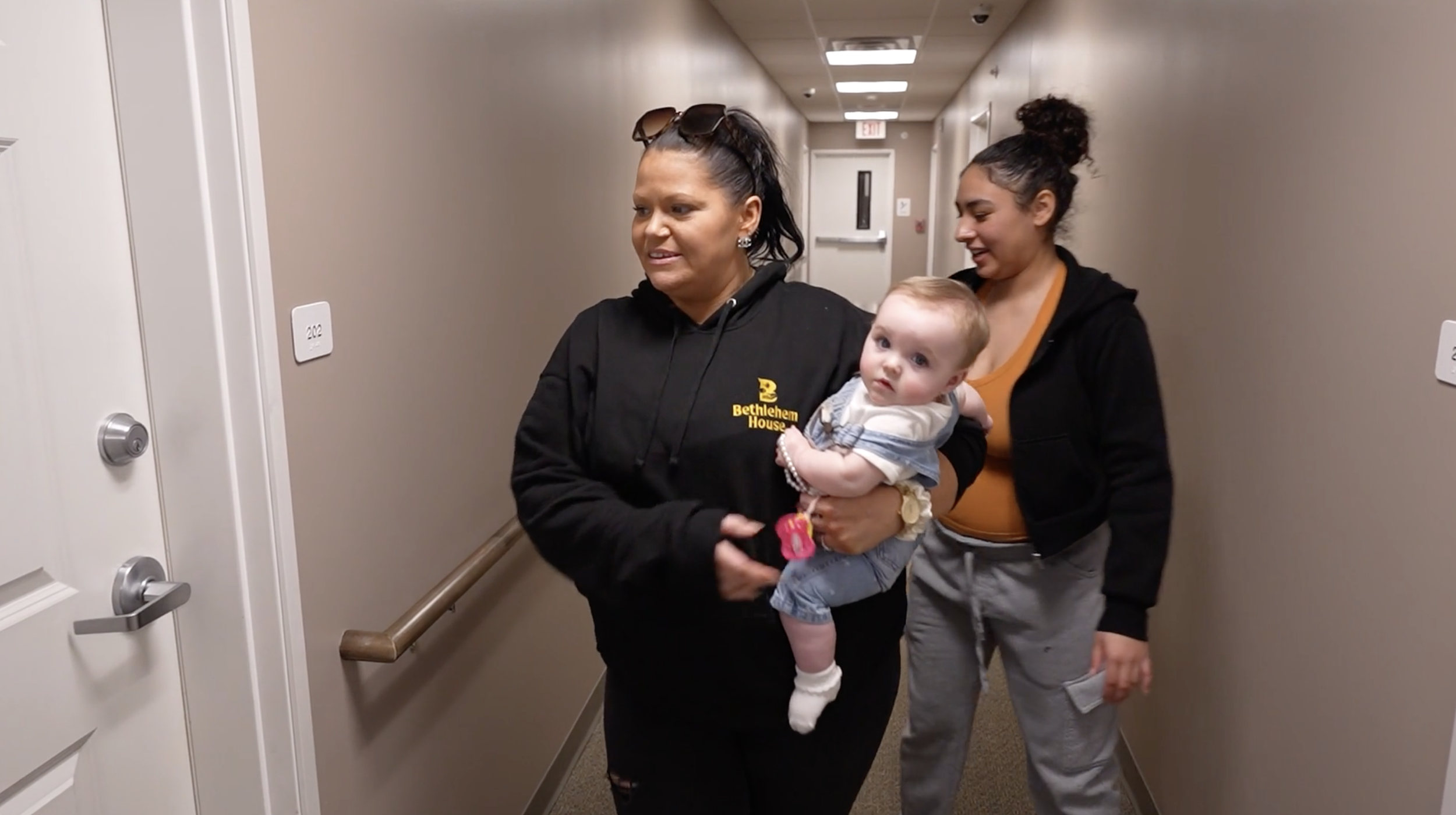
Health & wellness
Building connection through shared meals, fellowship, and everyday life together.
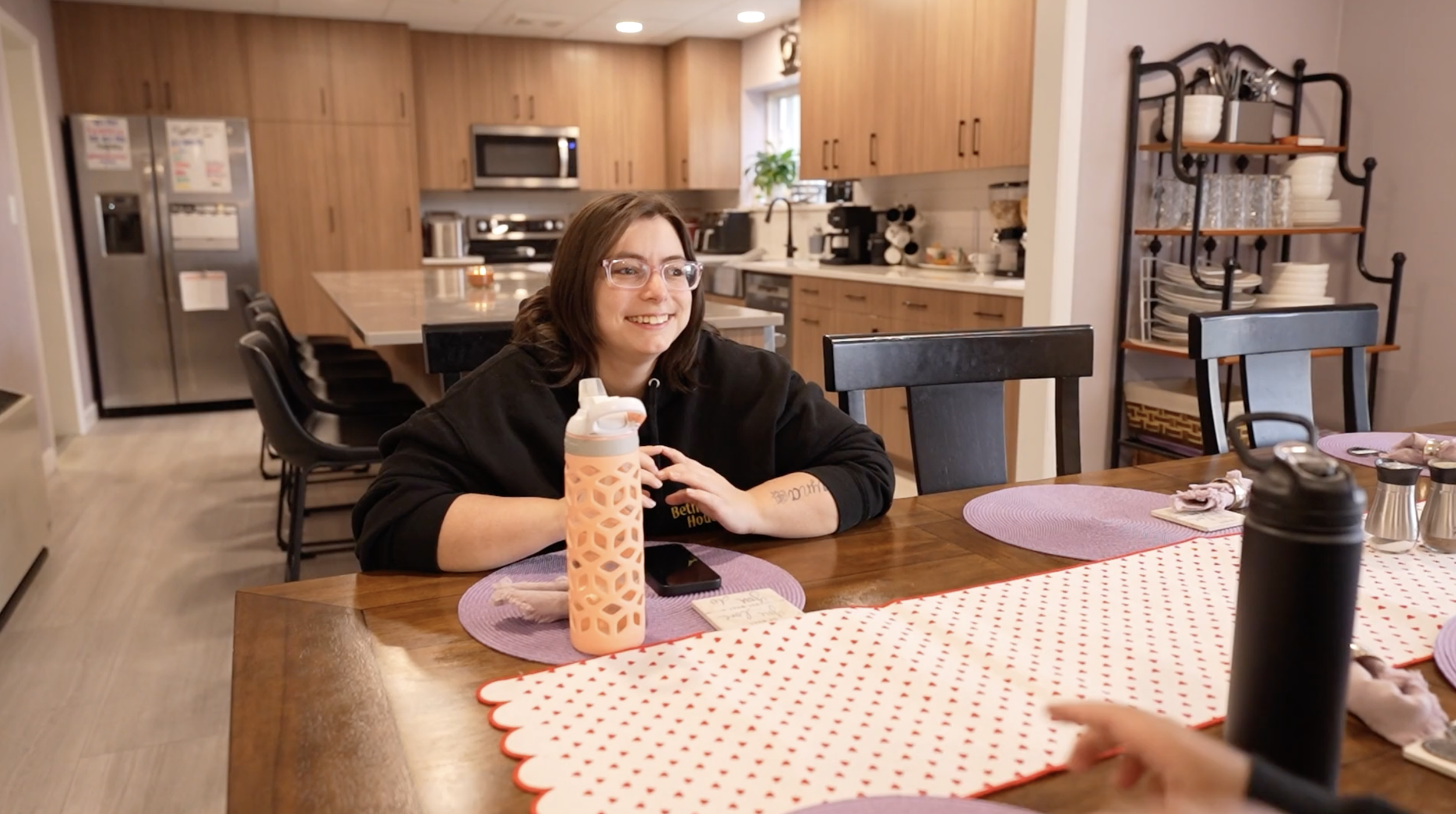
Parenting education, budgeting and financial literacy, employment readiness, independent living skills.
Parenting & life skills
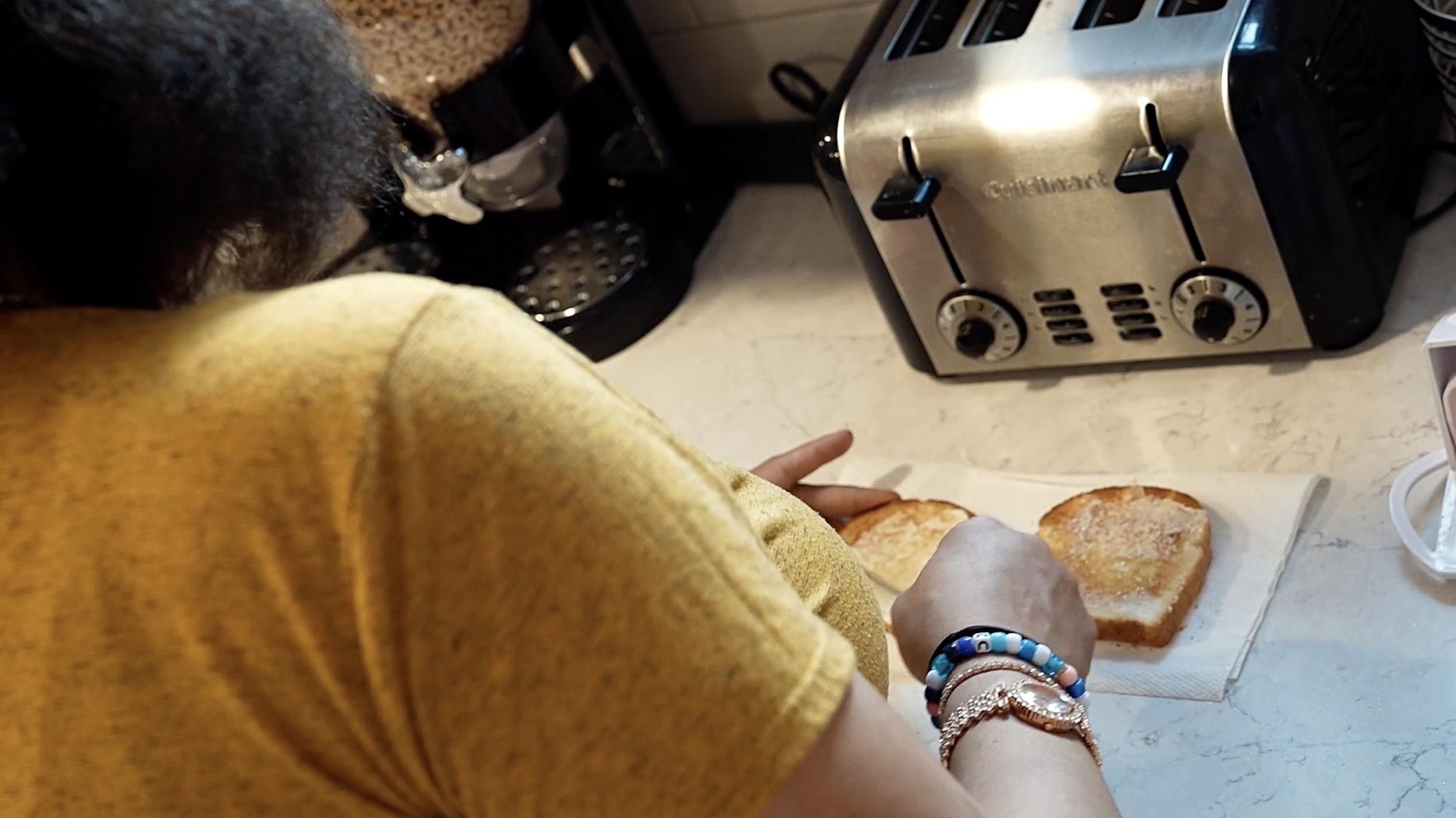
Community & Family Life
Prenatal and postpartum support, mental health coordination, recovery support and referrals.
Admission Process
Once accepted, applicants complete a pregnancy test and a drug and alcohol screening as part of intake. If a higher level of substance use treatment is needed, Bethlehem House partners with community providers to help a woman access that care. Depending on her needs, this may happen through outpatient treatment while she continues receiving services with us, or — when a higher level of care is recommended first — we hold her place so she can return and continue her journey with us once she's ready.
Are you or someone you know interested in joining our community?
Or call 402.502.9224 to contact us or to make a referral.
"Everybody here is super genuine, they're empathetic, and that's the kind of support I needed."
— Former ResidentResidential Care is the beginning, not the whole story. When a woman is ready, her support continues into Continued Care — helping her build on what she's gained here as she moves toward independent living.